

HBOT for Inflammatory Bowel Disease

What is Inflammatory Bowel Disease?
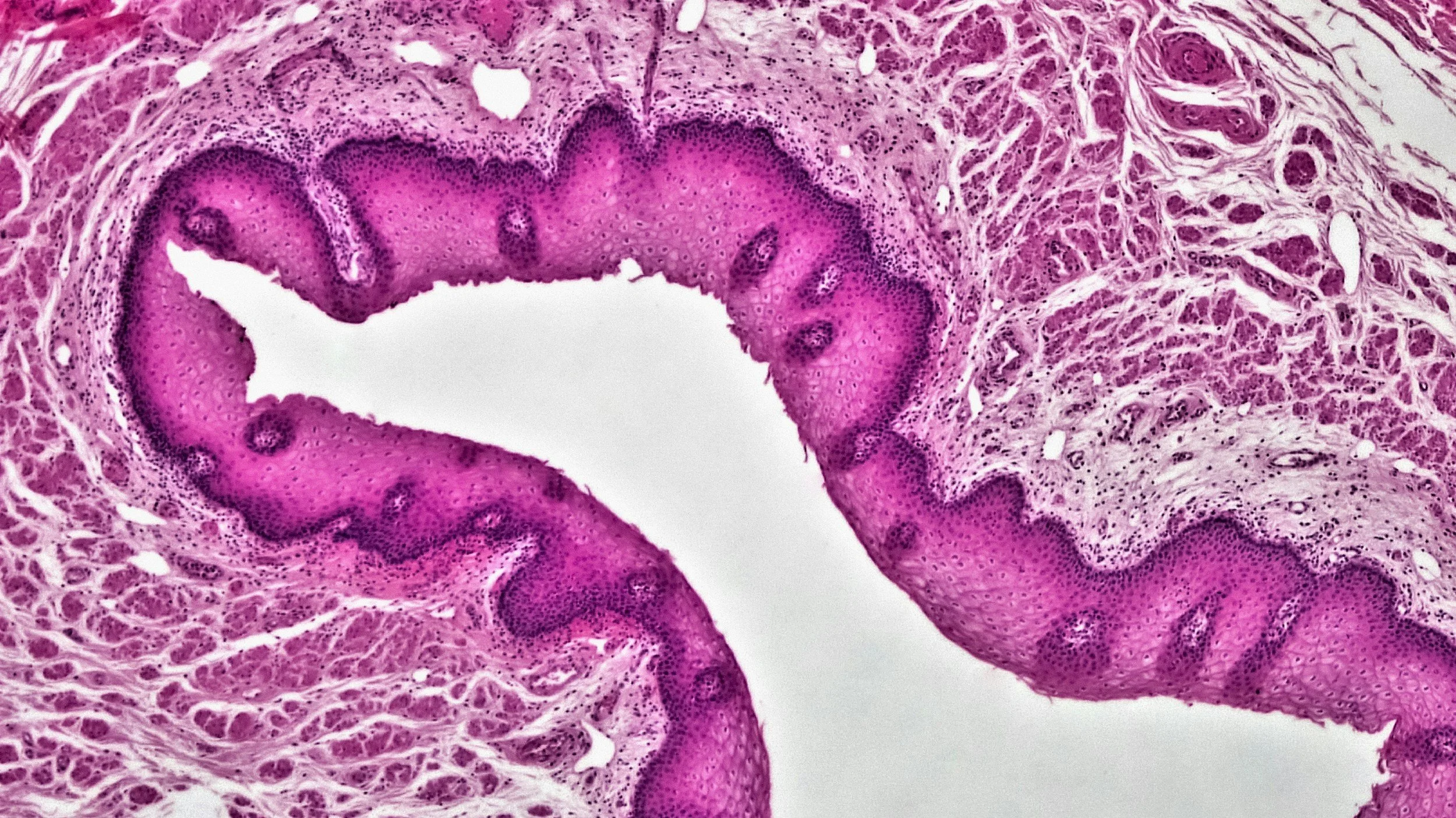
Inflammatory bowel disease (IBD) is the name for a group of long-term conditions that cause inflammation in the digestive system. The two most common conditions are Crohn’s disease and ulcerative colitis.
Crohn’s disease can affect any part of the digestive system, while ulcerative colitis affects the large bowel. Symptoms vary from person to person but can include diarrhoea, abdominal pain, blood in the stool, tiredness and weight loss. Sometimes, fistulas can develop. Fistulas are abnormal tunnel-like connections between the bowel and another part of the body.
IBD can go through periods where symptoms are more active, known as flare-ups, and periods when symptoms ease. Treatment aims to control inflammation, manage symptoms, and reduce the risk of complications.

What is Hyperbaric Oxygen Therapy?

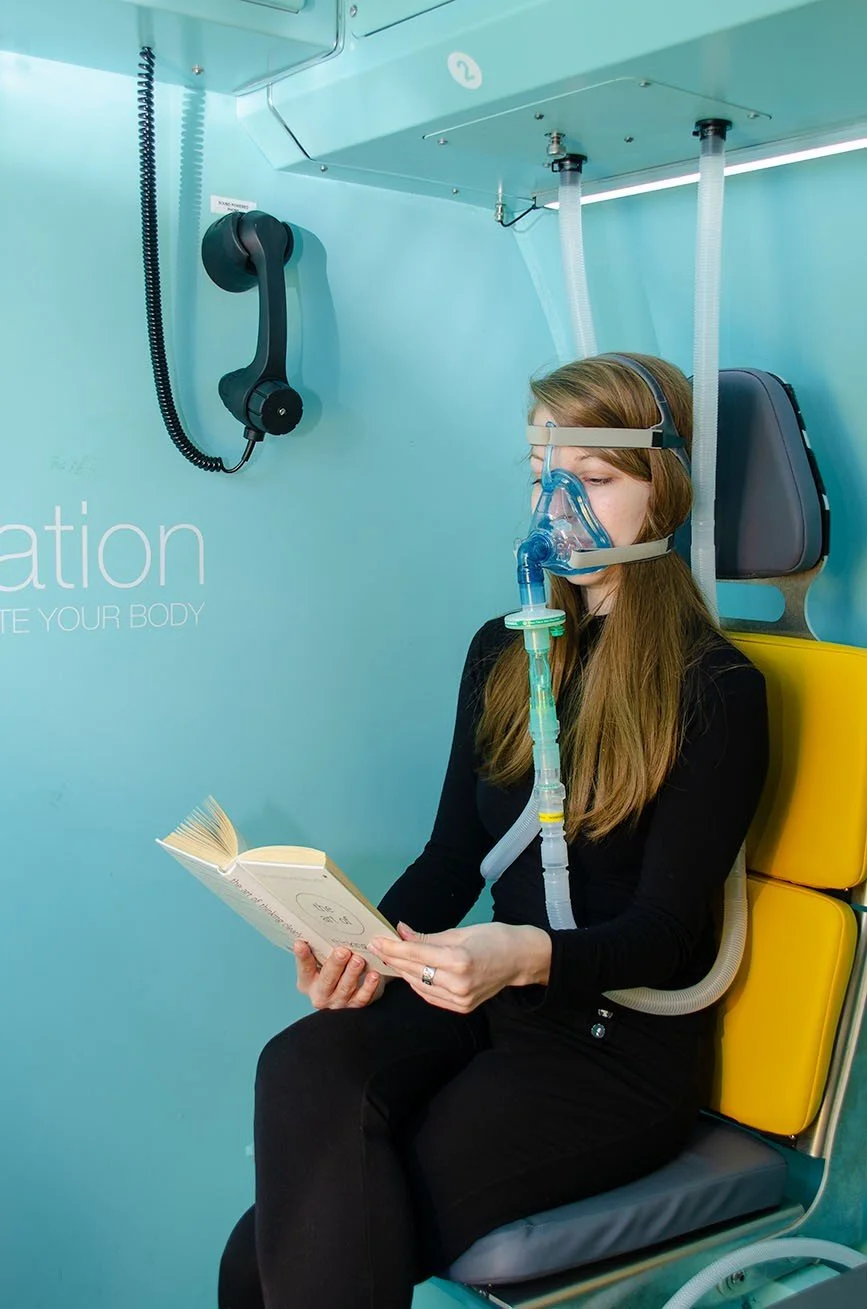
Hyperbaric oxygen therapy (HBOT) involves breathing high-concentration oxygen through a mask in a pressurised chamber.
This allows more oxygen to dissolve into the bloodstream and reach tissues with reduced blood supply.
Oxygen plays a key role in many normal processes within the body, including healing and recovery. By increasing oxygen availability, HBOT can support tissue repair, collagen production, new blood vessel formation, and the body’s immune responses that help manage infection.
By reducing substances in the body that drive inflammation (inflammatory cytokines), HBOT may also help to ease swelling and discomfort.
HBOT is always used in addition to standard medical treatment, not as a replacement.
Why HBOT May Be Considered for Inflammatory Bowel Disease
Researchers have been exploring whether HBOT could have a role alongside standard treatment for Crohn’s disease and ulcerative colitis.
IBD involves ongoing inflammation in the digestive system, and affected tissues can sometimes have lower oxygen levels. Increasing oxygen availability and influencing some of the processes involved in inflammation is one of the reasons HBOT is being investigated.
HBOT is not currently an established treatment for IBD. It should not replace medication, surgery or other care recommended by a gastroenterologist or IBD team.

Research on HBOT for Inflammatory Bowel Disease
Research into HBOT for IBD includes studies of both ulcerative colitis and Crohn’s disease, with some encouraging findings.
Ulcerative Colitis
Reviews have reported higher rates of improvement among some people receiving HBOT alongside their usual care. However, results have not always been consistent, and differences between the studies can make it hard to determine how much benefit HBOT provides.
Crohn’s Disease
One area of interest in Crohn’s disease and HBOT is difficult-to-treat perianal fistulas. A small study showed that fistulas improved following 40 sessions of HBOT, and these improvements were still present one year later. A larger study is now needed to confirm these findings.
Although encouraging results have been seen in people with IBD, high-quality studies are now required to decide how much of the improvement was due to HBOT rather than other treatments or changes over time
OxyGeneration provides HBOT in a calm clinical environment, delivered by a trained and experienced team.
Some clients are referred by a healthcare professional, but self-referral is also welcomed. All clients complete a screening questionnaire to check suitability. In some situations, we may ask clients to confirm suitability with their GP or medical specialist before proceeding.
Research into HBOT for IBD has generally involved a course of multiple sessions. If you are considering HBOT, our team can talk to you about how many sessions might be appropriate for you based on your individual circumstances.
OxyGeneration does not provide emergency medical treatment. We do not diagnose or manage medical conditions, and HBOT is not a replacement for standard medical care. Clients remain under the supervision of their GP or consultant for the management of their condition. As with all treatments, outcomes can vary from person to person.
If you would like to find out more about HBOT and whether it might be appropriate for you, please contact our team for more information.
What to Expect at OxyGeneration


Important Information
Hyperbaric oxygen therapy is not suitable for everyone.
Please visit our Suitability page for further information.
Testimonial
“I came in with an open mind because I wasn’t sure how well it would work because I was very unwell. I wasn’t sure if I needed to go to hospital, but luckily from the sessions I have avoided the hospital. I was surprised how quickly the sessions had helped me. Even if you are sceptical give it a try and do as many sessions as you can.”
— Anon, attending with inflammatory bowel disease

Do You Have Any Questions?
For more information or support, please contact OxyGeneration at 091 394444.

Appointment Information
Pricing
Discover our individual and bundle prices for OxyGeneration sessions.
Book a Session
Ready to book your sessions with us?
FAQ
Read our most frequently asked questions here.