
HBOT for Stroke

What is a Stroke?
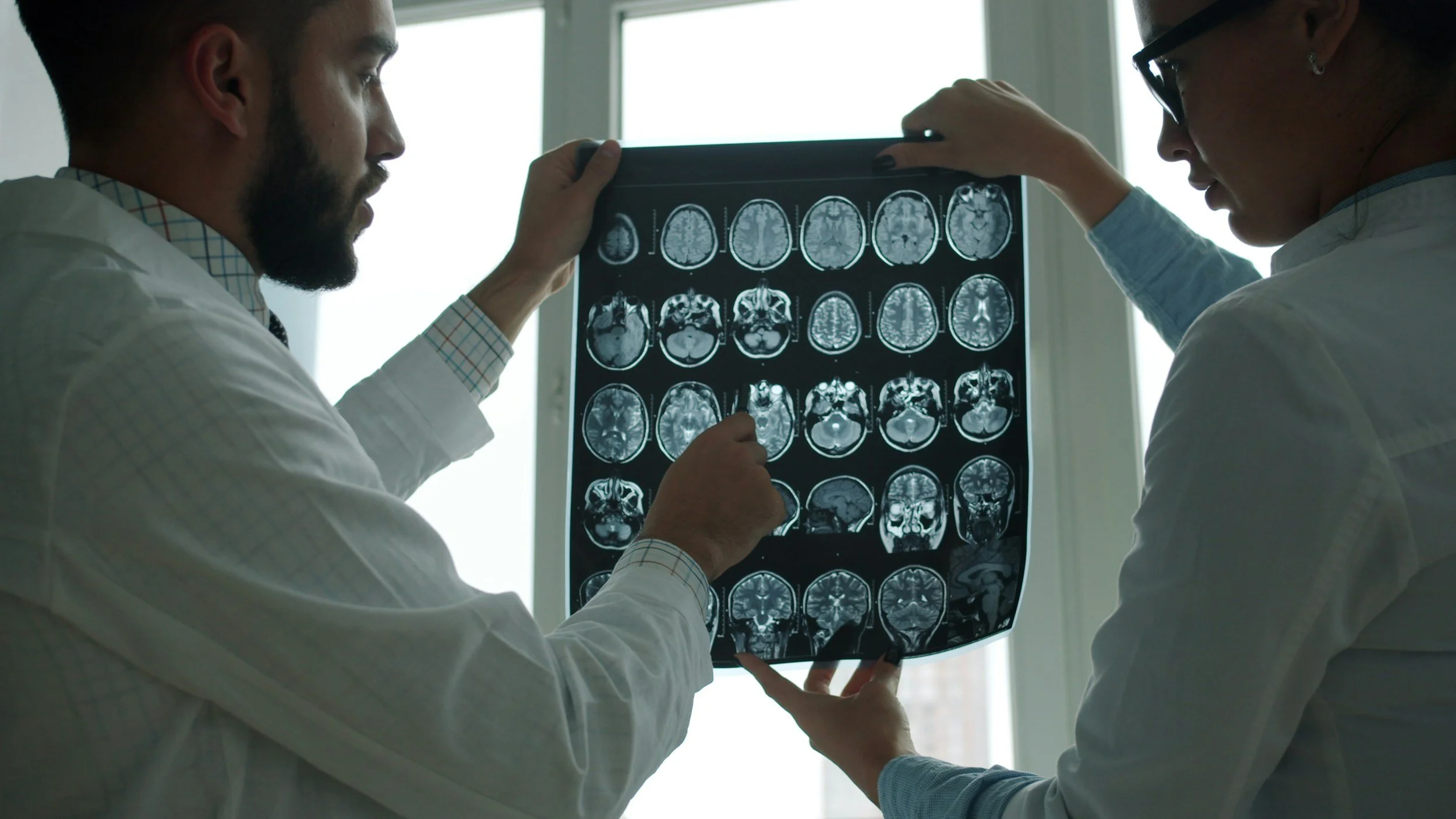
A stroke happens when the blood supply to part of the brain is interrupted. Most strokes are caused by a blood clot blocking the flow of blood and oxygen to the brain (an ischaemic stroke). Less commonly, a stroke can happen when a blood vessel in the brain bursts and causes bleeding (a haemorrhagic stroke).
Without enough oxygen, brain cells can become damaged and die. The effect this has depends on which part of the brain is affected and can vary considerably from person to person. After a stroke, individuals can have difficulty with movement, balance, speech, memory, thinking, or tiredness.
A stroke is a medical emergency and requires immediate hospital treatment. Recovery can continue for months or years afterwards, often supported by rehabilitation such as physiotherapy, occupational therapy and speech and language therapy.

What is Hyperbaric Oxygen Therapy?

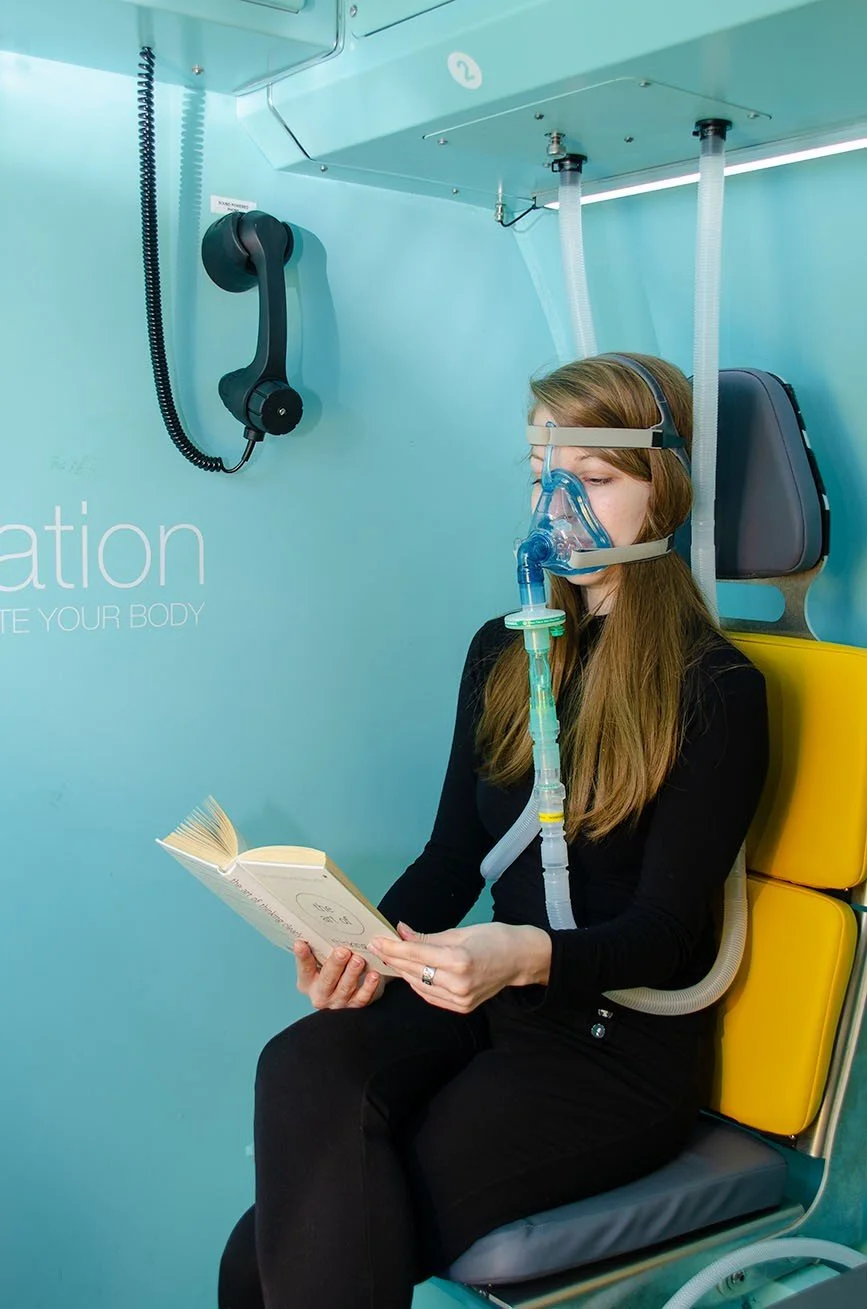
Hyperbaric oxygen therapy (HBOT) involves breathing high-concentration oxygen through a mask in a pressurised chamber.
This allows more oxygen to dissolve into the bloodstream and reach tissues with reduced blood supply.
Oxygen plays a key role in many normal processes within the body, including healing and recovery. By increasing oxygen availability, HBOT can support tissue repair, collagen production, new blood vessel formation, and the body’s immune responses that help manage infection.
By reducing substances in the body that drive inflammation (inflammatory cytokines), HBOT may also help to ease swelling and discomfort.
HBOT is always used in addition to standard medical treatment, not as a replacement.
Why HBOT May Be Considered for Stroke
HBOT is being studied as a possible way of supporting recovery in people living with longer-term effects of stroke. The idea behind this research is that increasing the amount of oxygen available to the brain could potentially influence processes involved in recovery and the brain’s ability to adapt after injury.
Some studies have explored whether HBOT could help with areas such as movement, independence in everyday activities, and quality of life. Results have varied, however, and there is currently not enough high-quality evidence to say for certain that HBOT improves recovery following a stroke.
For this reason, HBOT should be considered an area of emerging research rather than an established treatment for stroke. It does not replace stroke rehabilitation or ongoing care from a GP, stroke team or other healthcare professionals.
OxyGeneration provides pre-planned, non-emergency HBOT only. When a stroke happens, emergency medical care must be accessed immediately.

Research on HBOT for Stroke
Researchers have been interested in HBOT following stroke because increasing the amount of oxygen dissolved in the blood makes more oxygen available to tissues. Studies have investigated whether this could have a role both shortly after an ischaemic stroke and later in recovery.
Overall, research into HBOT following a stroke remains limited. Some studies have shown that HBOT might lead to possible improvements in overall quality of life and the ability to carry out everyday activities, but the research is limited. We do not yet have enough evidence to know who, if anyone, is most likely to benefit from HBOT after a stroke, and so further research is recommended.
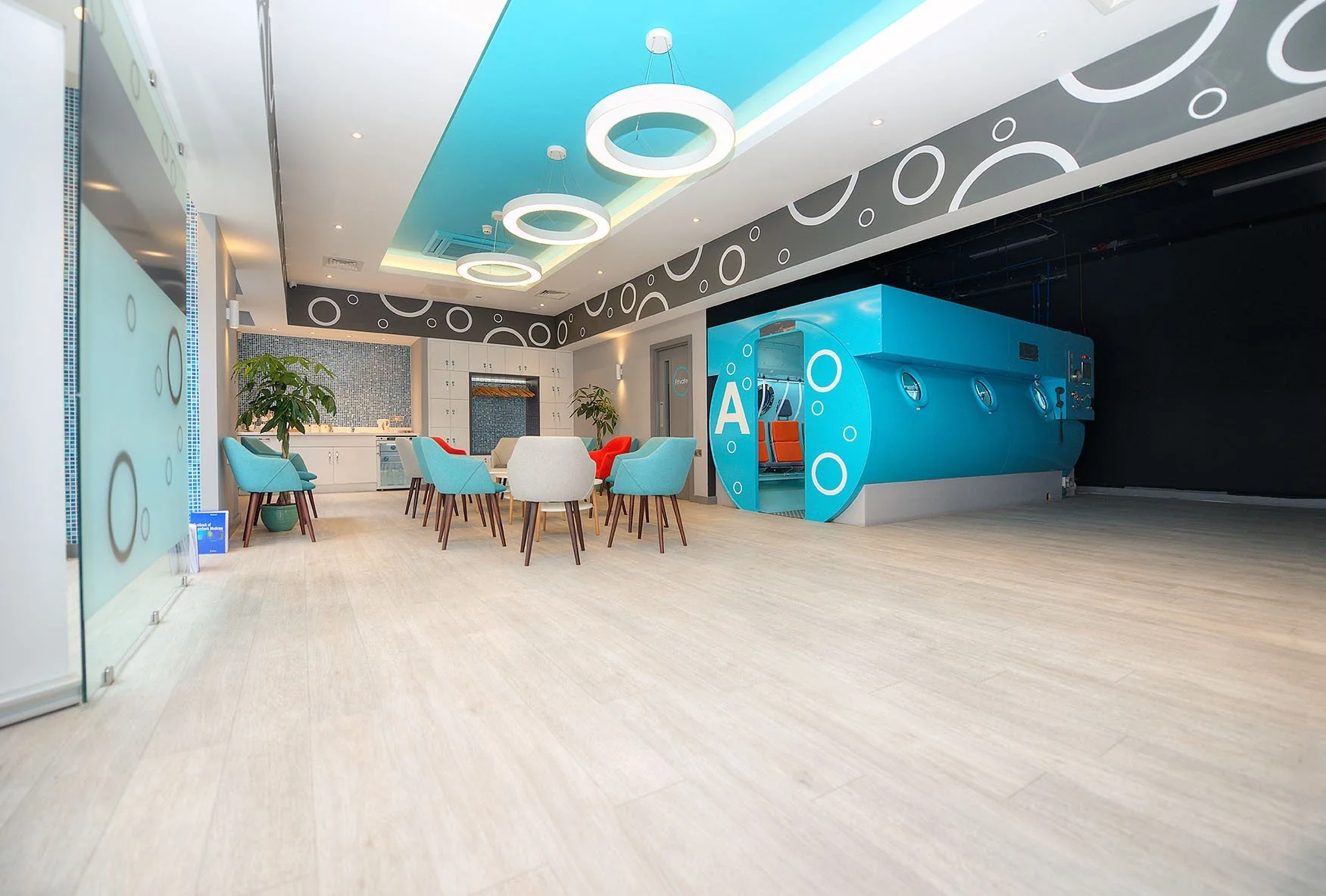
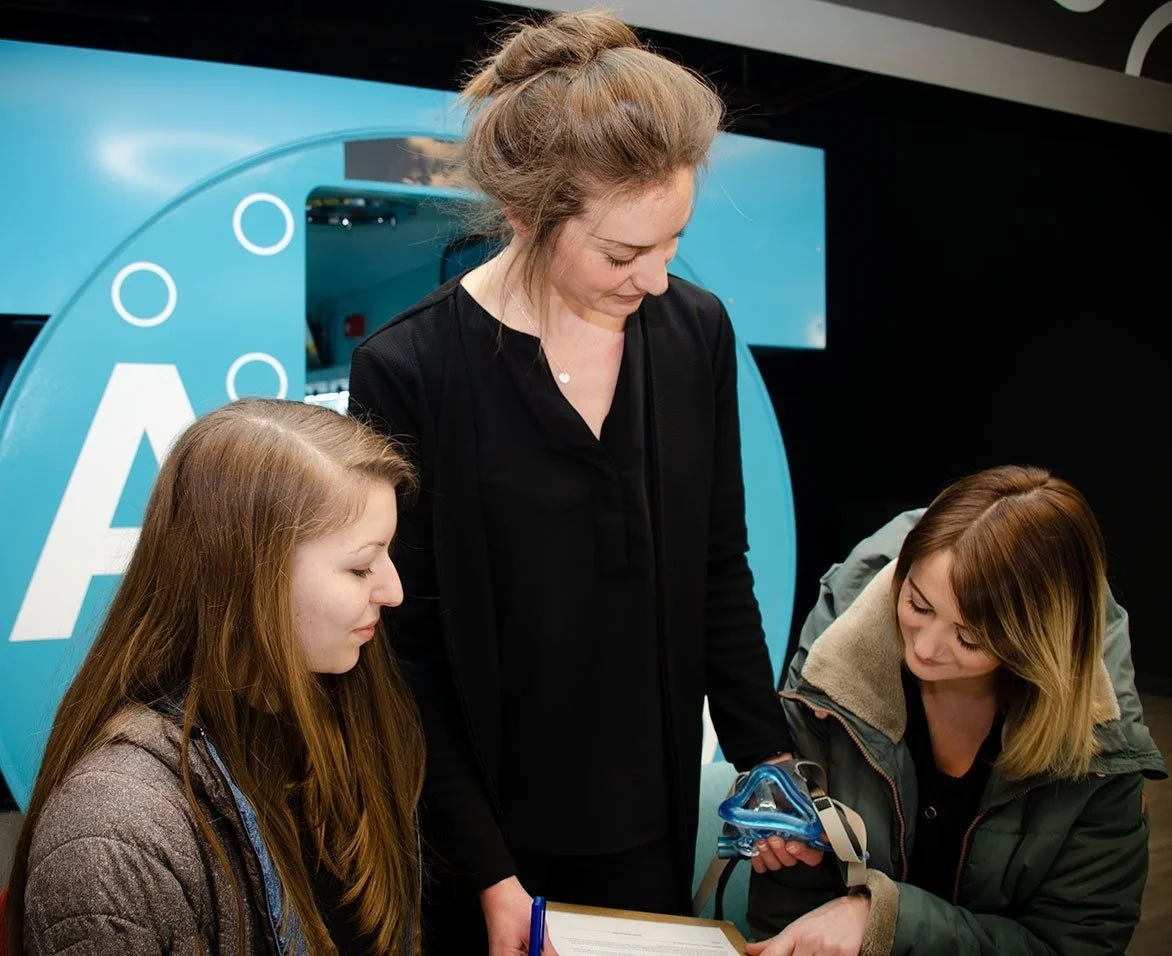
OxyGeneration provides HBOT in a calm clinical environment, delivered by a trained and experienced team.
Some clients are referred by a healthcare professional, but self-referral is also welcomed. All clients complete a screening questionnaire to check suitability. In some situations, we may ask clients to confirm suitability with their GP or medical specialist before proceeding.
If you are considering HBOT, our team can talk to you about how many sessions might be appropriate for you based on your individual circumstances.
OxyGeneration does not provide emergency medical treatment. We do not diagnose or manage medical conditions, and HBOT is not a replacement for standard medical care. Clients remain under the supervision of their GP or consultant for the management of their condition. As with all treatments, outcomes can vary from person to person.
If you would like to find out more about HBOT and whether it might be appropriate for you, please contact our team for more information.
What to Expect at OxyGeneration
Important Information
Hyperbaric oxygen therapy is not suitable for everyone.
Please visit our Suitability page for further information.
Testimonial
““I believe the therapy has delivered a more positive attitude to fighting the disease, improved gait, better balance, recovered sense of smell, improved skin tone, more energy and endurance, a stronger voice and a general improvement in overall wellbeing.”
— Anon, attending with Parkinson’s disease

Do You Have Any Questions?
For more information or support, please contact OxyGeneration at 091 394444.

Appointment Information
Pricing
Discover our individual and bundle prices for OxyGeneration sessions.
Book a Session
Ready to book your sessions with us?
FAQ
Read our most frequently asked questions here.