
Hyperbaric Oxygen Therapy for Anaemia
What is Anaemia?
Having anaemia means your blood cannot carry as much oxygen around your body as it normally would. Anaemia can occur if you do not have enough red blood cells or haemoglobin, the protein in the red blood cells that carries oxygen.
Anaemia can be caused by low levels of iron, vitamin B12 or folate. Other causes include blood loss, some chronic health conditions, inherited blood disorders and conditions that affect the production or lifespan of red blood cells.
Symptoms can depend on how severe the anaemia is, but might include tiredness, weakness, shortness of breath, feeling dizzy or noticing a fast heartbeat.
Treatment usually focuses on identifying and treating the underlying cause. This may include iron or vitamin replacement, medicines, treatment of bleeding or another underlying condition, or a blood transfusion..
What is Hyperbaric Oxygen Therapy?

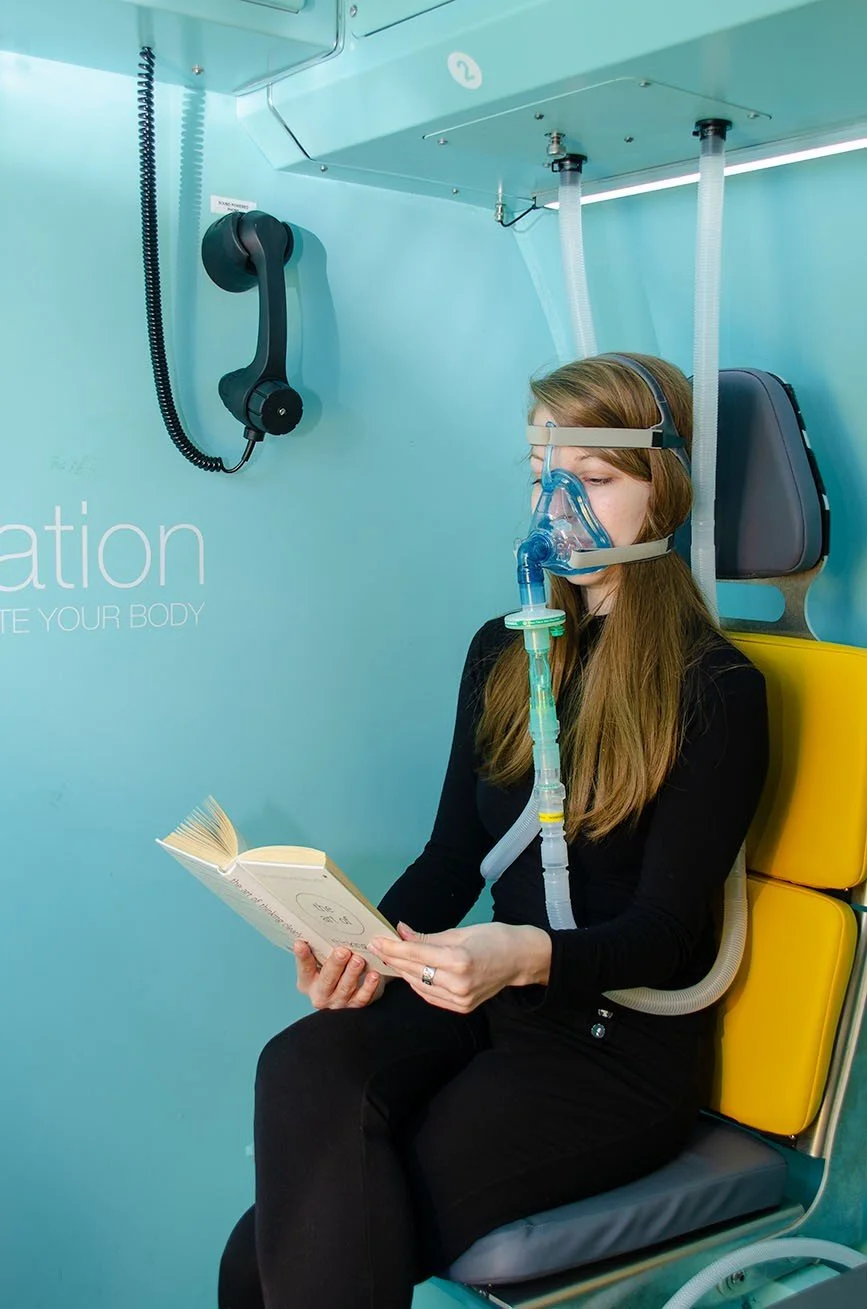
Hyperbaric oxygen therapy (HBOT) involves breathing high-concentration oxygen through a mask in a pressurised chamber.
This allows more oxygen to dissolve into the bloodstream and reach tissues with reduced blood supply.
Oxygen plays a key role in many normal processes within the body, including healing and recovery. By increasing oxygen availability, HBOT can support tissue repair, collagen production, new blood vessel formation, and the body’s immune responses that help manage infection.
By reducing substances in the body that drive inflammation (inflammatory cytokines), HBOT may also help to ease swelling and discomfort.
HBOT is always used in addition to standard medical treatment, not as a replacement.

Why HBOT May Be Considered for Anaemia
HBOT has an established role in cases of severe anaemia. The treatment is sometimes recommended in severe cases when too little oxygen is reaching tissues around the body. For example, HBOT might be used instead of a blood transfusion if a patient cannot receive a compatible transfusion for health, religious or personal reasons.
In these circumstances, HBOT can increase the amount of oxygen carried in the liquid part of the blood (the plasma), helping oxygen reach tissues despite the low levels of haemoglobin. It can be used as a supportive or “bridging” treatment while the underlying cause of anaemia is addressed and the body produces new red blood cells.
Severe anaemia can be a medical emergency. OxyGeneration does not provide emergency treatment, and anyone who is acutely unwell requires urgent assessment and management through appropriate hospital services.

Research on HBOT for Anaemia
Research into HBOT for anaemia has focused on the treatment of severe anaemia caused by blood loss or chronic health conditions. In this group of patients, HBOT has been shown to increase the delivery of oxygen to tissues around the body. This can help to relieve symptoms of anaemia such as breathlessness, dizziness or tiredness.
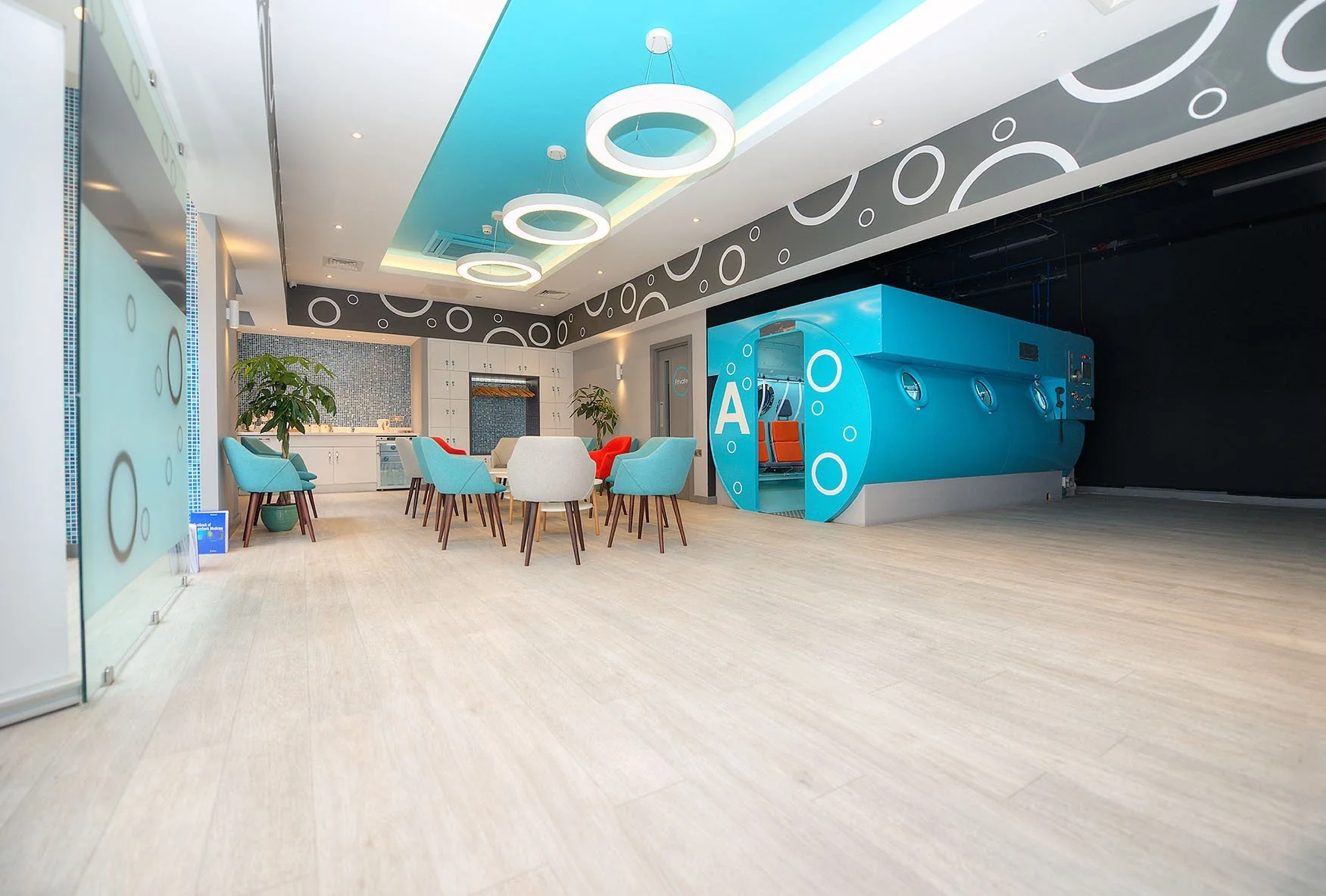
OxyGeneration provides HBOT in a calm clinical environment, delivered by a trained and experienced team.
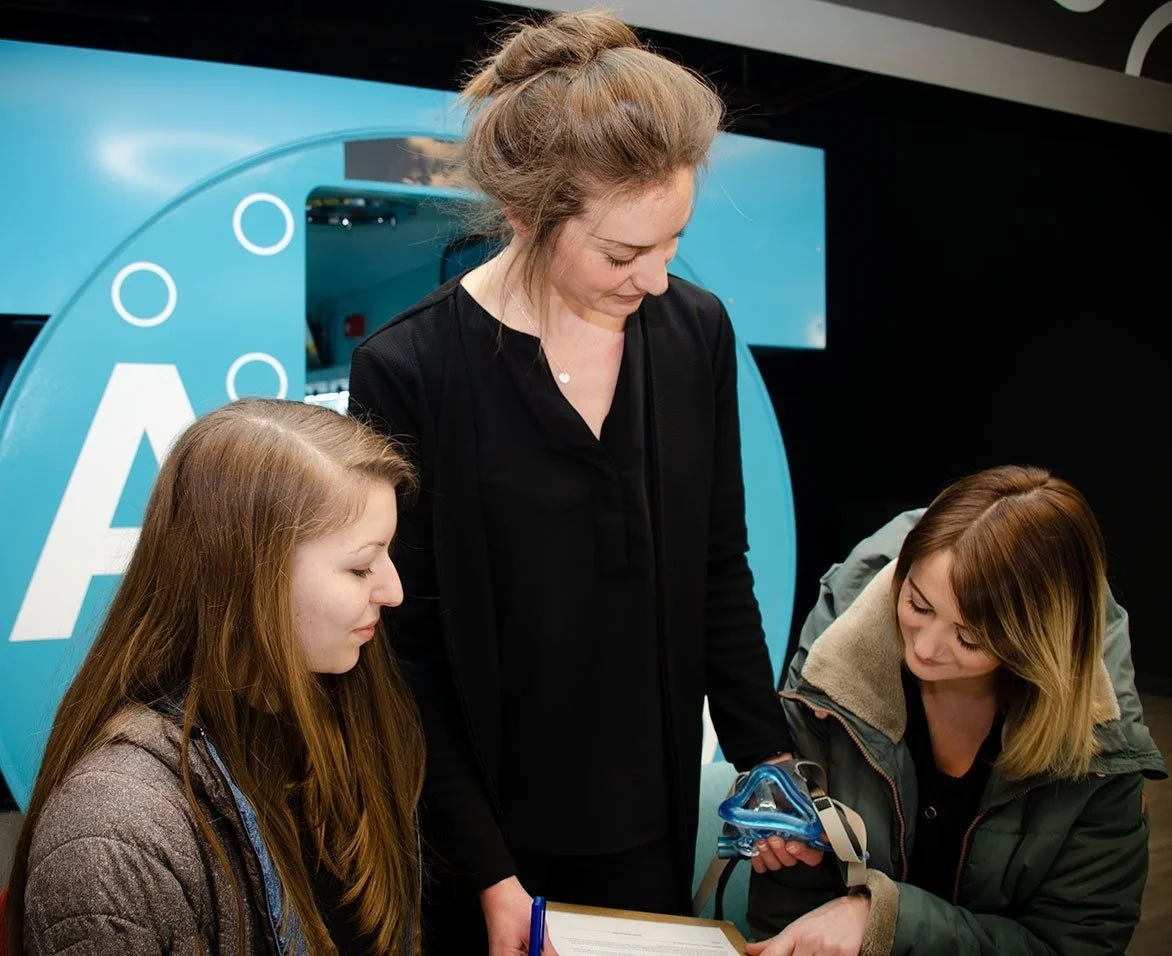
Some clients are referred by a healthcare professional, but self-referral is also welcomed. All clients complete a screening questionnaire to check suitability. In some situations, we may ask clients to confirm suitability with their GP or medical specialist before proceeding.
If you are considering HBOT, our team can talk to you about how many sessions might be appropriate for you based on your individual circumstances.
OxyGeneration does not provide emergency medical treatment. We do not diagnose or manage medical conditions, and HBOT is not a replacement for standard medical care. Clients remain under the supervision of their GP or consultant for the management of their condition. As with all treatments, outcomes can vary from person to person.
If you would like to find out more about HBOT and whether it might be appropriate for you, please contact our team for more information.
What to Expect at OxyGeneration
Important Information
Hyperbaric oxygen therapy is not suitable for everyone.
Please visit our Suitability page for further information.
Testimonial
“I did six sessions over a two-week period in OxyGeneration to help speed up recovery of three separate bone fractures. My pain level noticeably reduced soon after each session. Three weeks after fractures occurring my pain is very minimal and feel that the HBOT sessions have progressed my recovery.”
— Craig

Do You Have Any Questions?
For more information or support, please contact OxyGeneration at 091 394444.

Appointment Information
Pricing
Discover our individual and bundle prices for OxyGeneration sessions.
Book a Session
Ready to book your sessions with us?
FAQ
Read our most frequently asked questions here.