

Hyperbaric Oxygen Therapy for Non-Healing Wounds
What is a Non-Healing Wound?
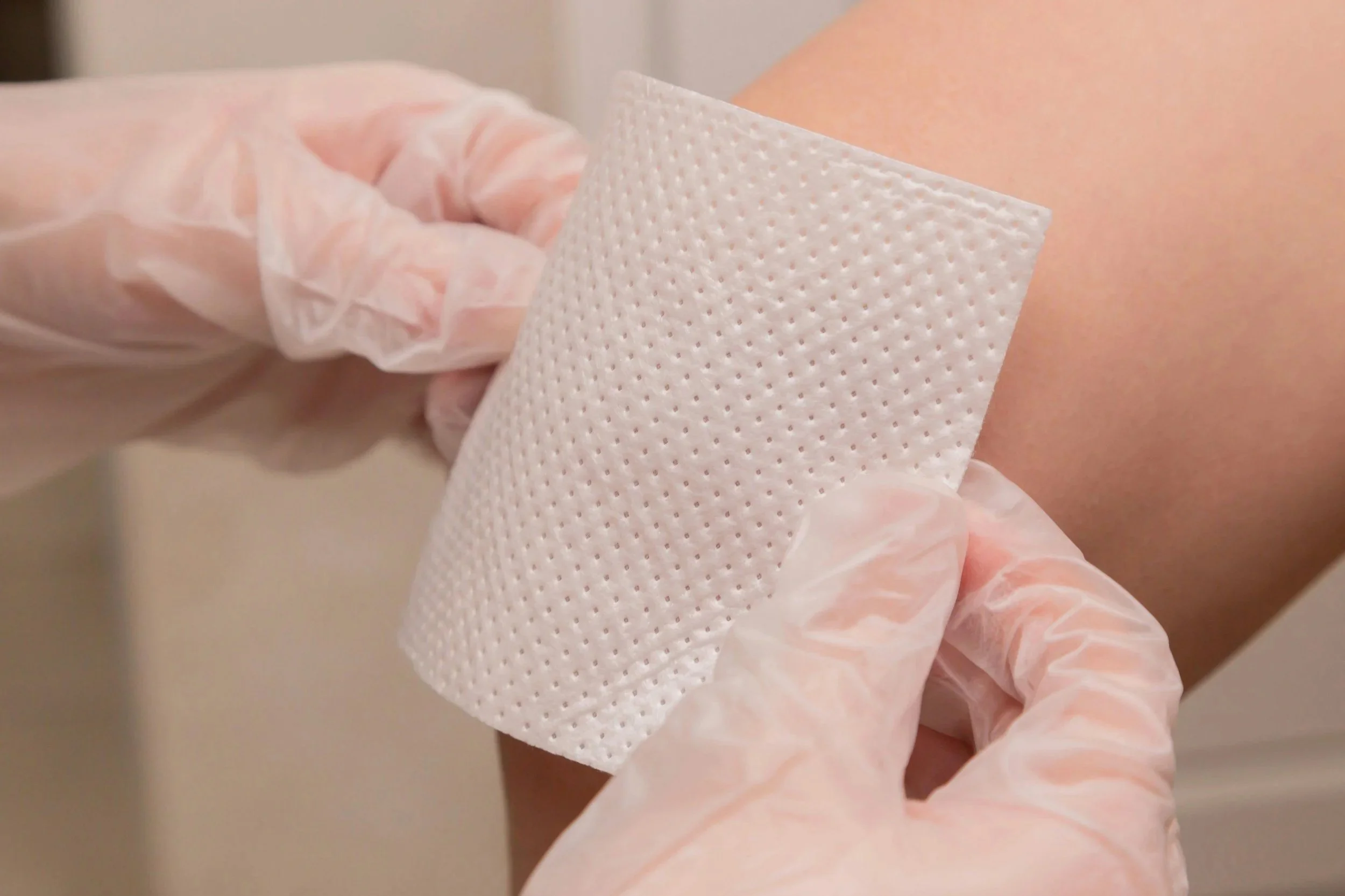
A non-healing wound is a wound that has not healed within the expected time period despite appropriate care and treatment. These wounds are sometimes called chronic wounds.
Non-healing wounds can develop for various reasons, including diabetes, poor circulation, pressure injuries, infection, surgery, trauma, or previous radiation therapy.
In many cases, the blood supply to the affected tissue is reduced. This means the wound may not receive enough oxygen to repair properly. As a result, healing can become delayed and the wound may remain painful, inflamed, or vulnerable to infection. This can affect mobility, comfort, sleep, and day-to-day activities.

What is Hyperbaric Oxygen Therapy?

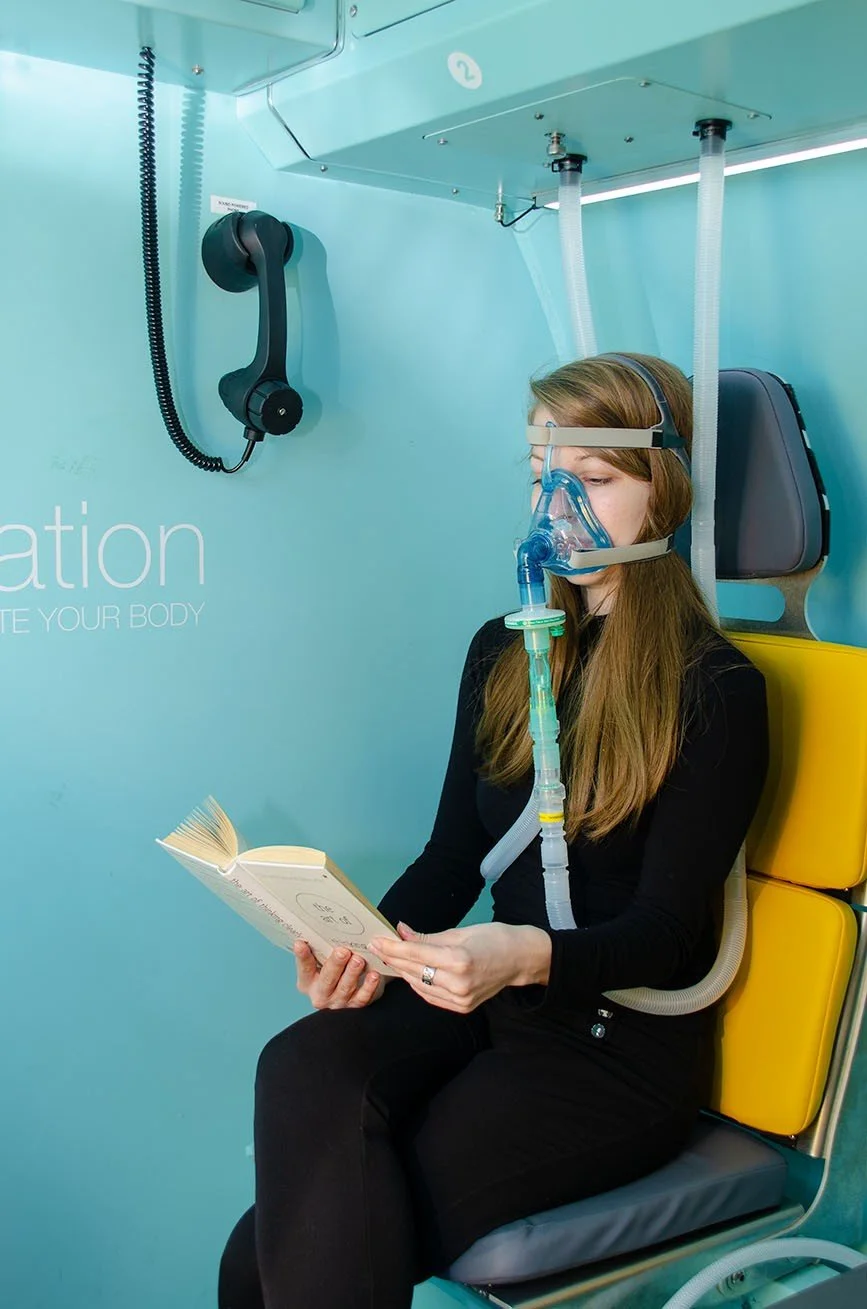
Hyperbaric oxygen therapy (HBOT) involves breathing high-concentration oxygen through a mask in a pressurised chamber.
This allows more oxygen to dissolve into the bloodstream and reach tissues with reduced blood supply.
Oxygen plays a key role in many normal processes within the body, including healing and recovery. By increasing oxygen availability, HBOT can support tissue repair, collagen production, new blood vessel formation, and the body’s immune responses that help manage infection.
By reducing substances in the body that drive inflammation (inflammatory cytokines), HBOT may also help to ease swelling and discomfort.
HBOT is always used in addition to standard medical treatment, not as a replacement.
When HBOT May Be Considered for Non-Healing Wounds
HBOT is sometimes considered as part of a wider care plan for people with non-healing wounds, particularly where:
The wound is slow to heal despite appropriate standard care
There is reduced tissue oxygenation
There is ongoing inflammation or infection
By increasing the amount of oxygen dissolved in the bloodstream, HBOT may help support natural tissue repair processes.

Use of HBOT for Non-Healing Wounds
HBOT is one of the longest-established and best-supported uses of hyperbaric medicine. It is widely used as an adjunctive treatment for non-healing wounds, particularly where reduced oxygen supply is limiting recovery.
It is recognised internationally as an evidence-based treatment for this indication. HBOT is approved by the US Food and Drug Administration (FDA) for non-healing wounds, including diabetic foot ulcers, is reimbursed by Medicare in the United States, and is endorsed in the clinical recommendations of the Undersea and Hyperbaric Medical Society (UHMS) and the European Committee for Hyperbaric Medicine (ECHM). In Ireland, hyperbaric oxygen therapy is recognised by major private health insurers for selected indications, including non-healing wounds
https://www.uhms.org/resources/featured-resources/hbo-indications.html
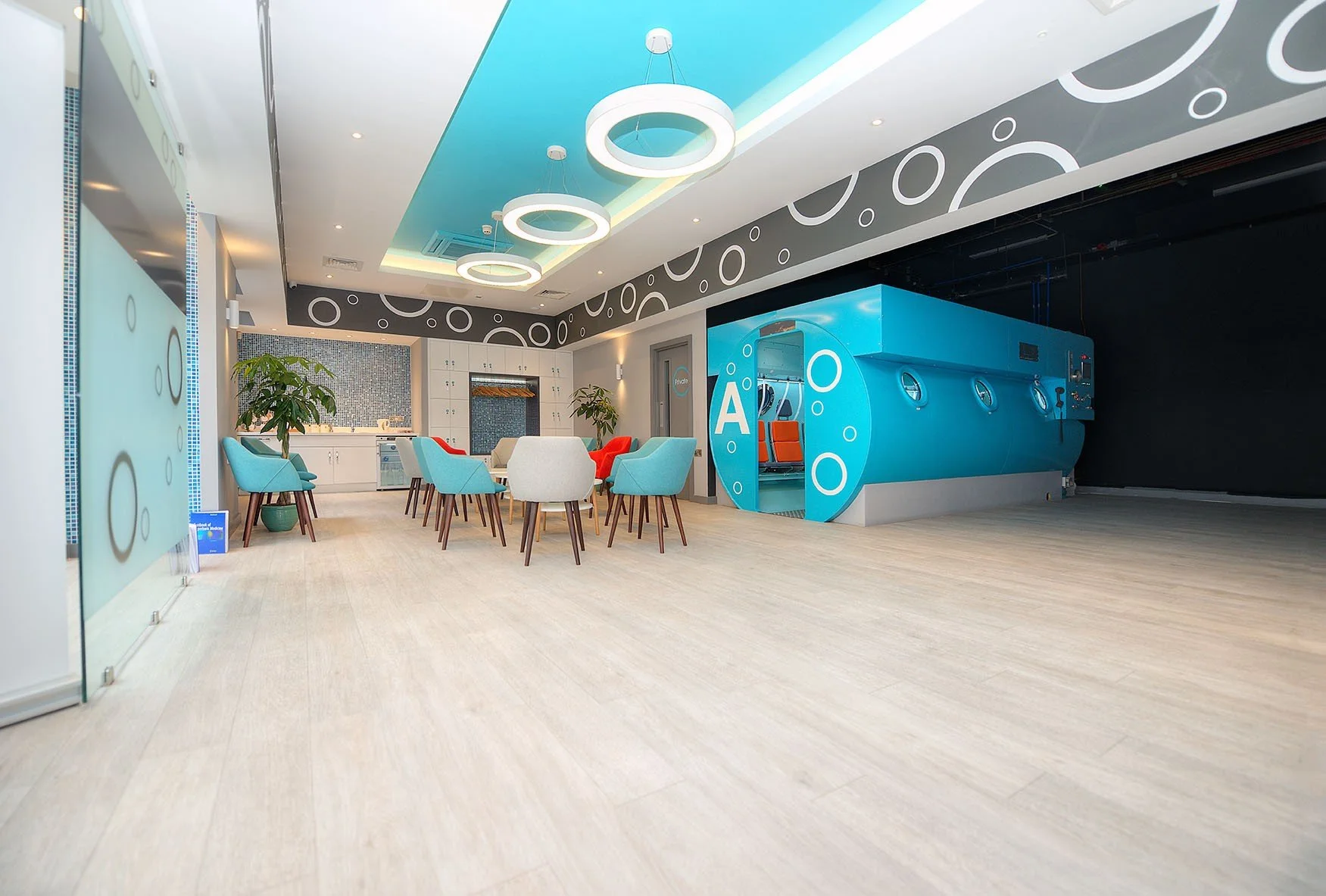
OxyGeneration provides HBOT in a calm clinical environment, delivered by a trained and experienced team.
Some clients are referred by a healthcare professional, but self-referral is also welcomed. All clients complete a screening questionnaire to check suitability. In some situations, we may ask clients to confirm suitability with their GP or medical specialist before proceeding.
For non-healing wounds, a course of 20-40 sessions is typical, although the number recommended will depend on individual circumstances and response to treatment.
OxyGeneration does not provide emergency medical treatment. We do not diagnose or manage medical conditions, and HBOT is not a replacement for standard medical care. Clients remain under the supervision of their GP or consultant for the management of their condition. As with all treatments, outcomes can vary from person to person.
If you would like to find out more about HBOT and whether it might be appropriate for you, please contact our team for more information.
What to Expect at OxyGeneration

Important Information
Hyperbaric oxygen therapy is not suitable for everyone.
Please visit our Suitability page for further information.
Testimonial
“Since being in a wheelchair, I’ve had issues with pressure sores. 9 weeks using [HBOT] has got to a place where two years of bed rest and wound dressing had failed to achieve.”
— Brian

Do You Have Any Questions?
For more information or support, please contact OxyGeneration at 091 394444.

Appointment Information
Pricing
Discover our individual and bundle prices for OxyGeneration sessions.
Book a Session
Ready to book your sessions with us?
FAQ
Read our most frequently asked questions here.